bangkoktoday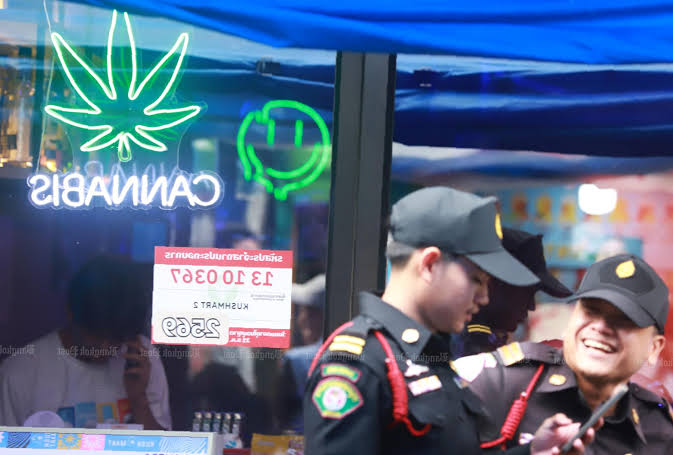
A new bill brings order to plant regulation, establishing a strict licensing system after two years of widespread, uncontrolled use.
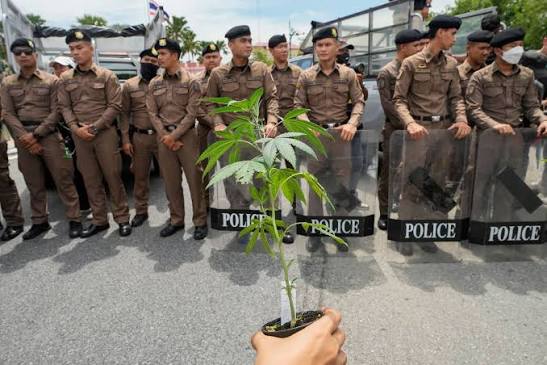
A new bill on cannabis regulation is being prepared for approval in Thailand, aimed at restricting its use to medical purposes only. This move, supported by a clear licensing and oversight framework, comes almost two years after the plant was decriminalised, which, in the absence of such rules, led to uncontrolled recreational use. The draft bill, which also provides for a ban on the advertising and promotion of cannabis, as well as the establishment of a national regulatory committee, will shortly be submitted to the Cabinet for consideration.
The Department of Thai Traditional and Alternative Medicine (DTAM) has drafted this document to address the regulatory gaps that arose following the removal of cannabis from the list of narcotic drugs in June 2022. At that time, Thailand became the first country in South-East Asia to legalise cannabis. This decision was presented as a measure to stimulate the economy and support traditional medicine. It became a key policy of the Bhumjaithai Party, then led by Minister of Public Health Anutin Charnvirakul.
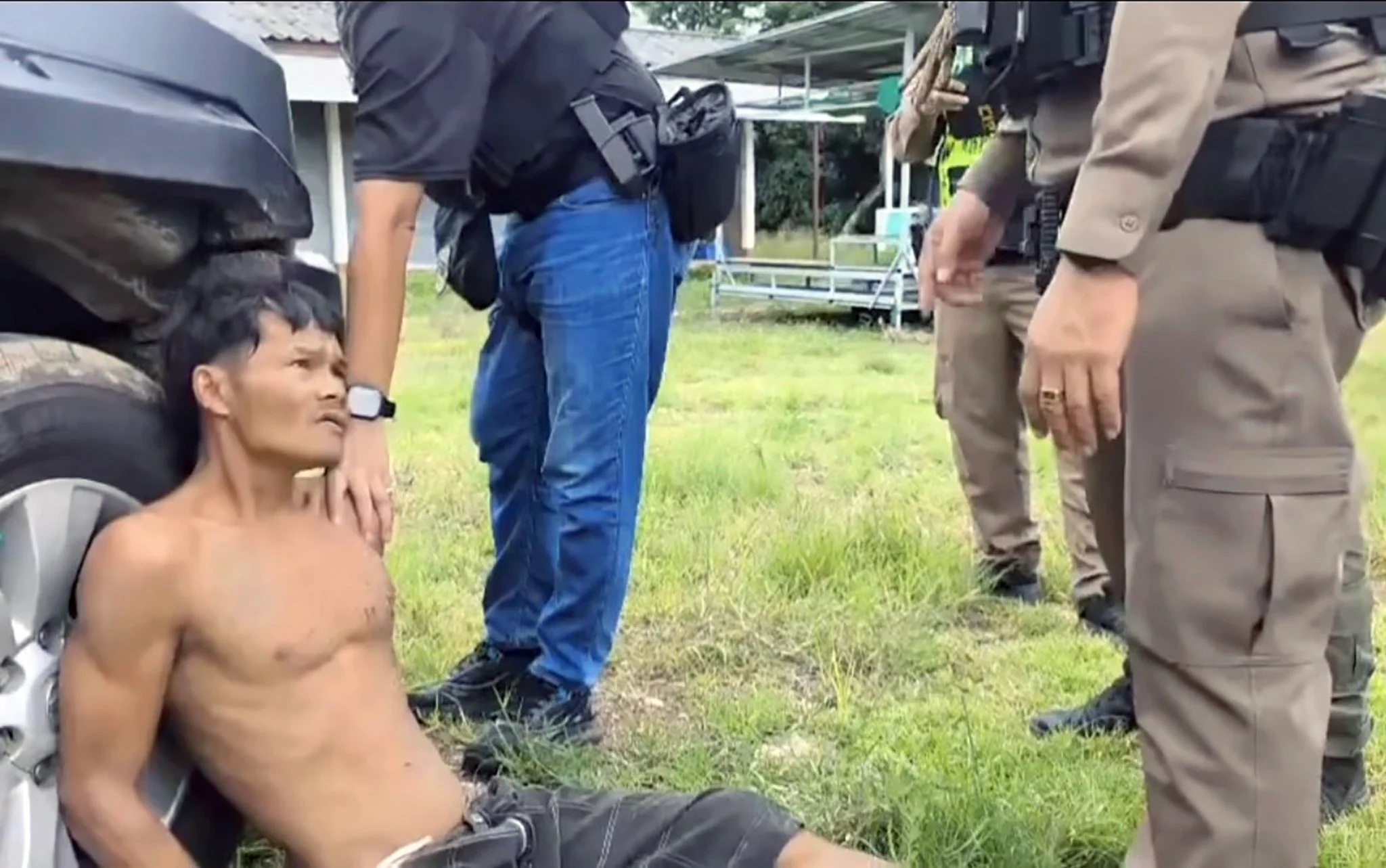
Following decriminalisation, enforcement challenges emerged as thousands of shops and cafés opened without oversight. Clarify how the bill will address these issues to ensure effective regulation and compliance.
The proposed legislation aims to establish a unified system to regulate the cultivation, production, import, export, sale and protection of public health in relation to cannabis, said Dr Thewan Thaneearat, Deputy Director-General of the DTTA. The new bill provides for the establishment of a National Cannabis Committee, chaired by the Minister of Health, which will oversee national policy and regulation in this area.
Any activity relating to the cultivation, production, import, export or sale of cannabis will require a three-year licence issued by the DTTA. Exemptions are provided for the sale of roots, branches, stems, leaves and seeds, as well as for healthcare professionals using cannabis for therapeutic purposes in accordance with current legislation. The draft law strictly prohibits the sale of cannabis to persons under the age of 20, and to pregnant and breastfeeding women. Furthermore, it prohibits sales in places such as places of worship, schools, halls of residence, public parks, zoos and amusement parks.
To reduce recreational use, the bill introduces a complete ban on the advertising, promotion and marketing of cannabis flowers, resin and smoking devices. By emphasizing these restrictions, the bill aims to foster a responsible approach to cannabis use, ensuring it is used solely for medical treatment under professional supervision or for authorised scientific research. Offenders who produce, import, export or sell cannabis without a licence, as well as those who sell it to prohibited groups, will face imprisonment and fines. Unauthorised use of cannabis will also be punishable by fines.
The Director-General of the Department of Tobacco and Alcohol Control (DTAC), Dr Pongsathorn Phokphermdi, stated that the department had concluded public consultations on the draft and submitted it to the Minister of Public Health, Pattana Promphat, on 20 July 2024 for further consideration by the Cabinet. This transparent process aims to build confidence in Thailand’s efforts to regulate cannabis responsibly and effectively.
Read More Articles Here
Read More Articles Here