bangkoktoday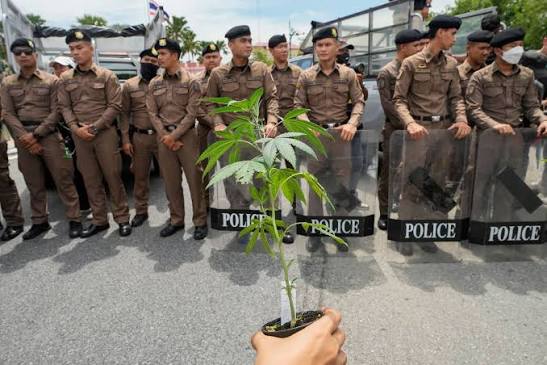
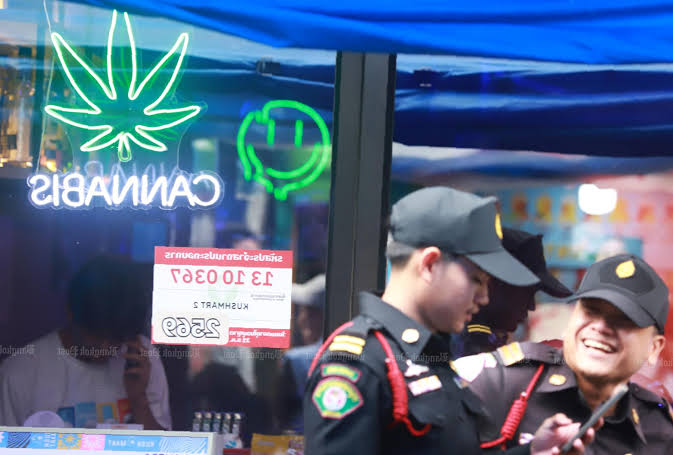
The authorities have carried out widespread inspections of retail outlets, aiming to restrict the use of cannabis to medical purposes only and to protect young people.
Thailand’s Ministry of Public Health has significantly stepped up enforcement of cannabis regulations and presented the results of operations carried out since last October. These measures are aimed at regulating the circulation of cannabis in the country and underscore the authorities’ commitment to strict regulation of this sector.
Public Health Minister Pattana Promphat took part in a meeting to finalise guidelines for implementing the new regulations under the Act on the Protection and Promotion of Thai Traditional Medical Knowledge. This document is part of efforts to ensure consistent interpretation and application of current legislation.
Pattana Promphat noted that his department is actively working on the draft Cannabis and Hemp Act. Its key objective is to restrict the use of cannabis strictly to medical purposes, completely ruling out recreational use and minimising potential risks to children and adolescents.
Since enforcement measures began last October, the authorities have inspected 1,326 shops selling cannabis. As a result, authorities made 83 seizures and initiated legal proceedings against 40 individuals or businesses. The total value of the seized products exceeded 109 million THB (approximately 3 million USD).
In addition, officials suspended 84 operating licences, revoked four, and considered 39 appeals lodged against decisions to suspend or revoke licences. These figures demonstrate the authorities’ serious approach to combating non-compliance with established regulations.
The Minister emphasised that the meeting had been organised to ensure the consistent and fair application of the rules by all agencies involved. Participants from the Ministry of Public Health, the Royal Thai Police and local administrative bodies underwent specialised training on procedures covering cultivation, sale, medical use and the inspection of licensed premises.
Officials will now carry out inspections across the country to ensure compliance with regulations at all levels. Offenders may face various consequences, including corrective orders, licence suspension, business closure or even prosecution, depending on the severity of the offence.
Pattana Promphat acknowledged that political upheavals in recent years had slowed the passage of cannabis legislation. Nevertheless, he assured that the government remains committed to speeding up the process of passing the bill, dispelling concerns regarding the uncertainty surrounding its future.
The Minister reaffirmed his department’s long-standing position that ‘cannabis is intended solely for medical use’. He clarified that extracts containing more than 0.2 per cent tetrahydrocannabinol (THC) are still classified as narcotic substances under current legislation.
The question of a broader reclassification of cannabis as a whole remains within the remit of the relevant authorities. If the new law comes into force, anyone involved in cannabis cultivation will be required to obtain special licences under the new regulatory framework. Licensed retailers will be able to continue their operations until their current three-year licences expire, after which they too will be required to comply with the new regulations.
Thailand became the first country in South-East Asia to decriminalise cannabis in June 2022. This decision led to rapid growth in the industry, with thousands of shops and cafés springing up across the country. However, the lack of clear regulations governing recreational use has caused significant concern both within the medical community and amongst the general public. The current government, led by the Pheu Thai Party, is seeking to review this policy to protect citizens’ health, particularly young people, and to prevent any potential negative impact on Thailand’s international image.
Read More Articles Here
Read More Articles Here